Dajz, Regenerative packaging
From tomatoes for tomatoes.
Project Details
- Category
- Sustainable design
- Discipline
- Regenerative design, material development, packaging design
- Team
- Individual project
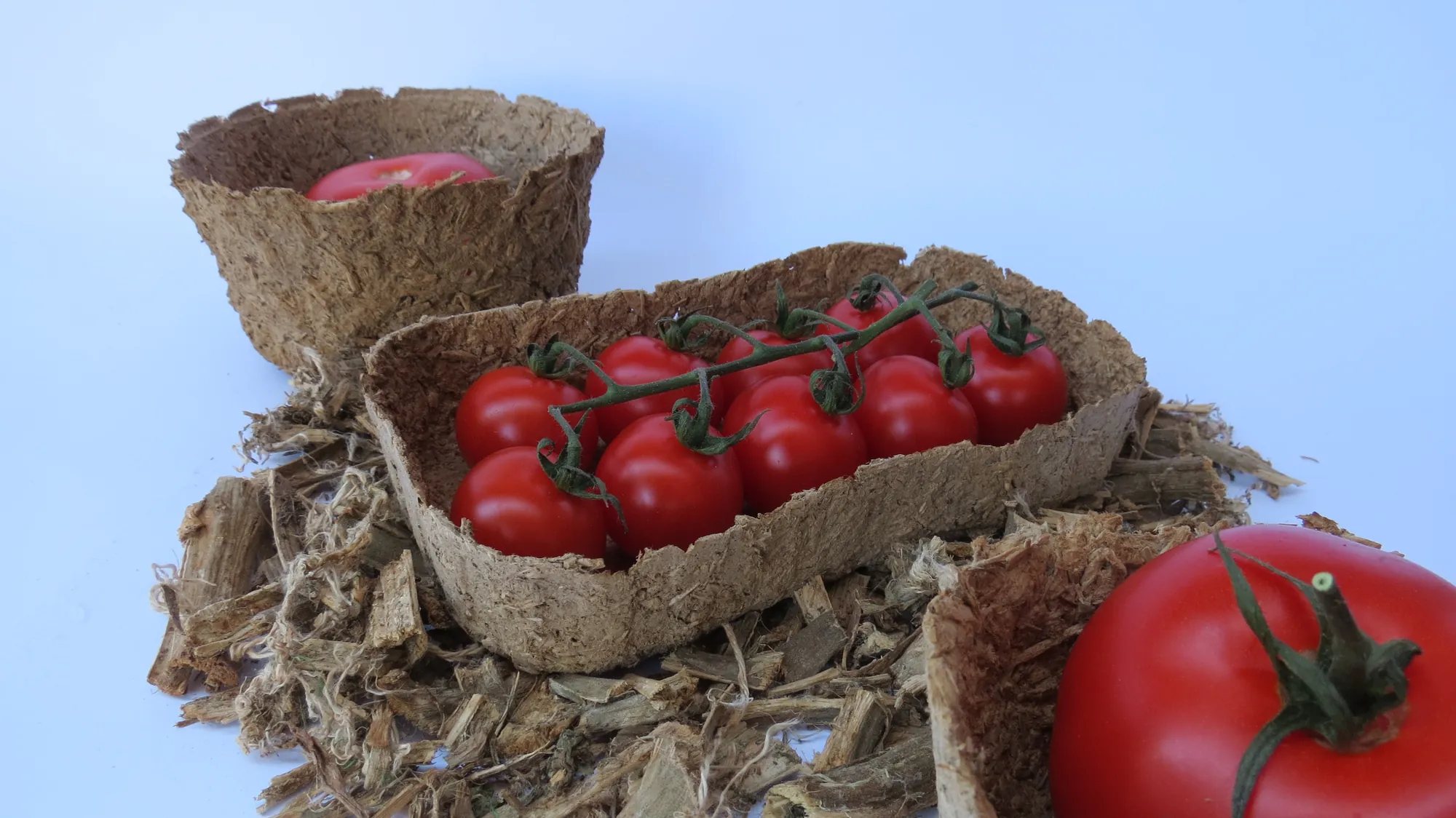
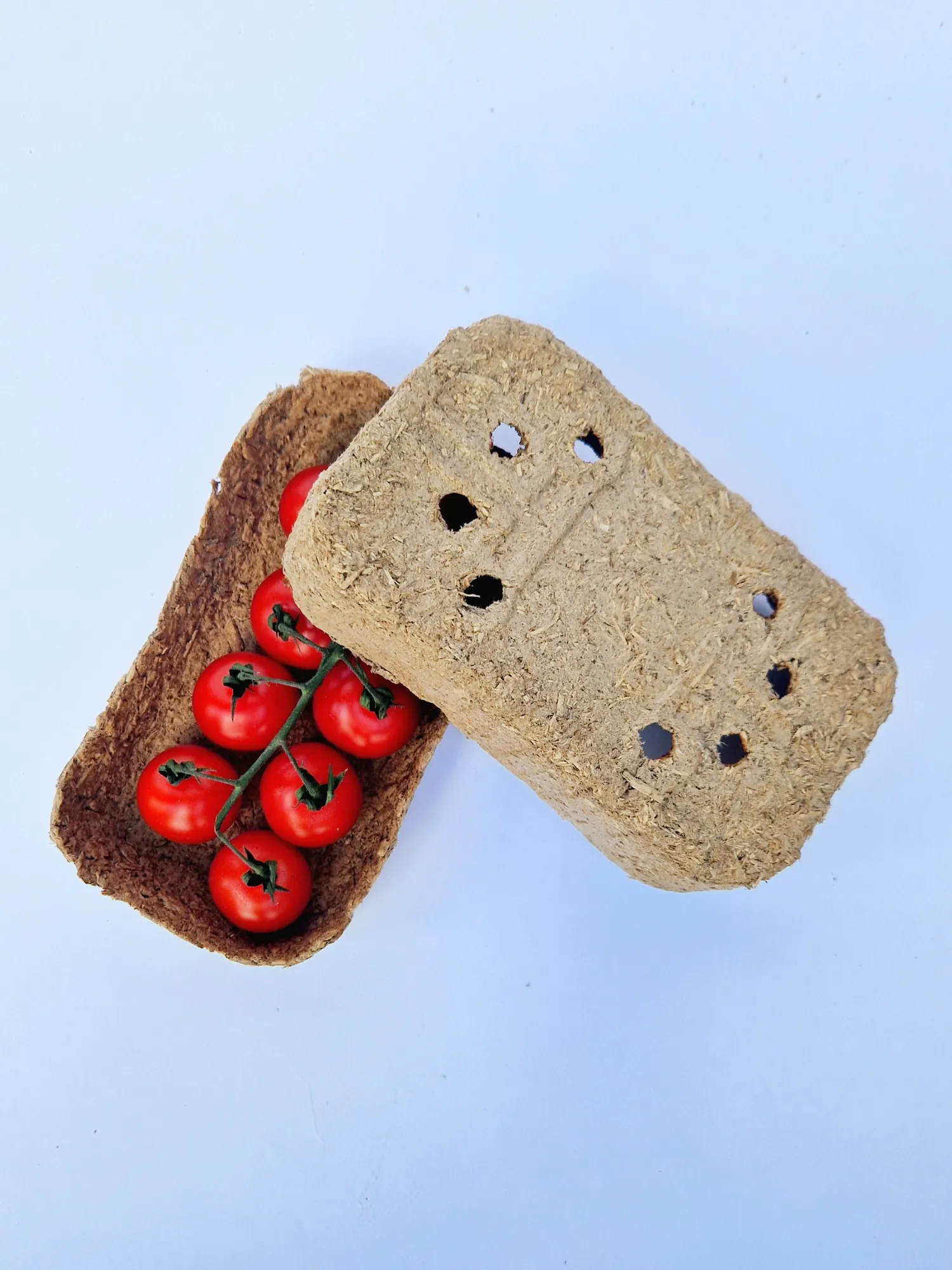
Regenerative packaging made from discarded tomato stems that grows new tomatoes after use.
Context
A personal wish for sustainable vegetable packaging.
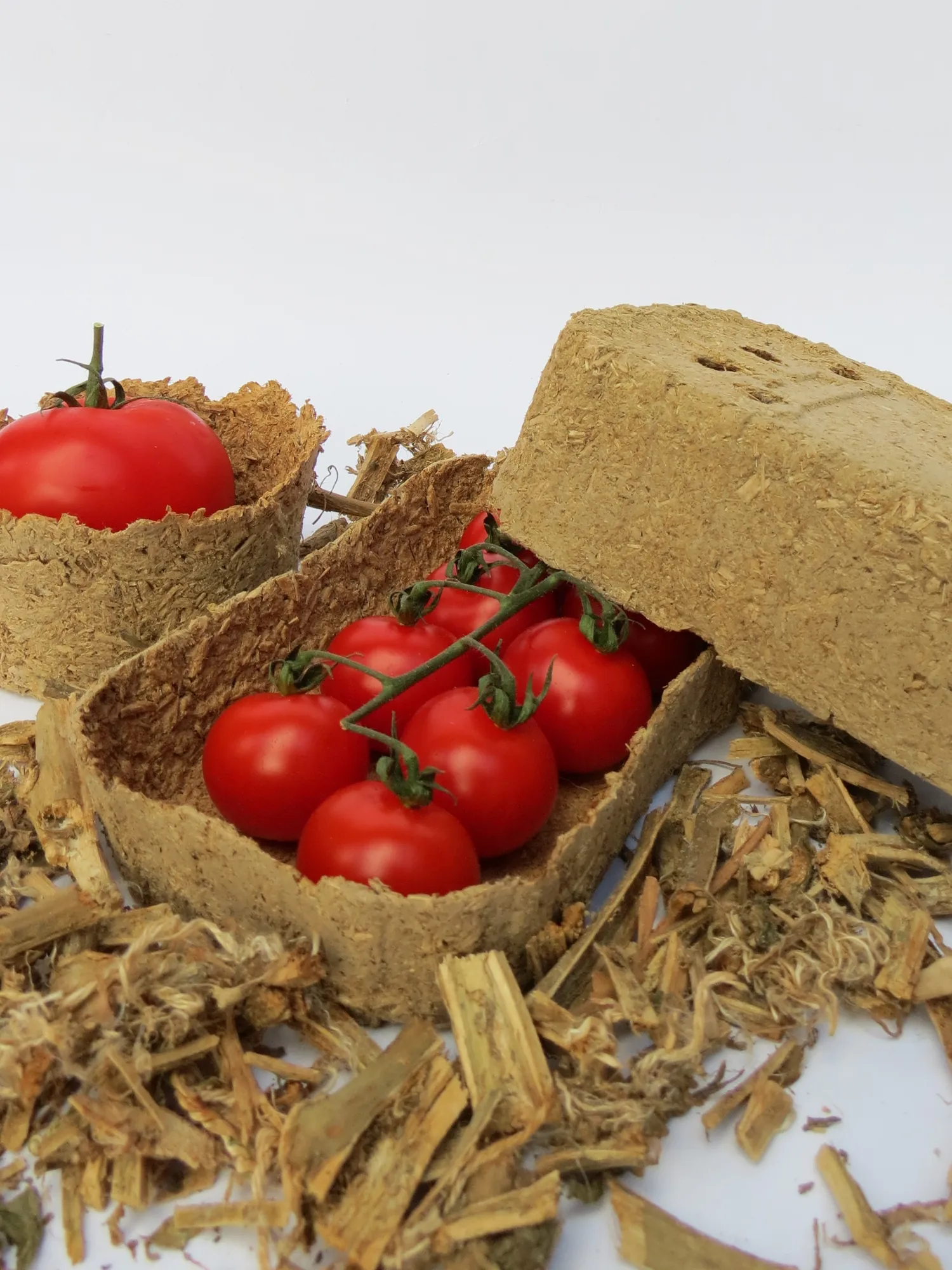
The project started out of the designer’s personal wish for a sustainable packaging option for vegetables. She likes to buy cherry tomatoes even in the winter months, when she cannot pick them from her own garden.
Small-fruited tomatoes are not sold loose because they are delicate and prone to bursting. Meanwhile, most tomatoes are increasingly sold pre-packaged, partly to stop customers from entering the code for cheaper imported tomatoes on the scale while actually taking more expensive, locally grown ones.
Material
Stems that growers throw away.
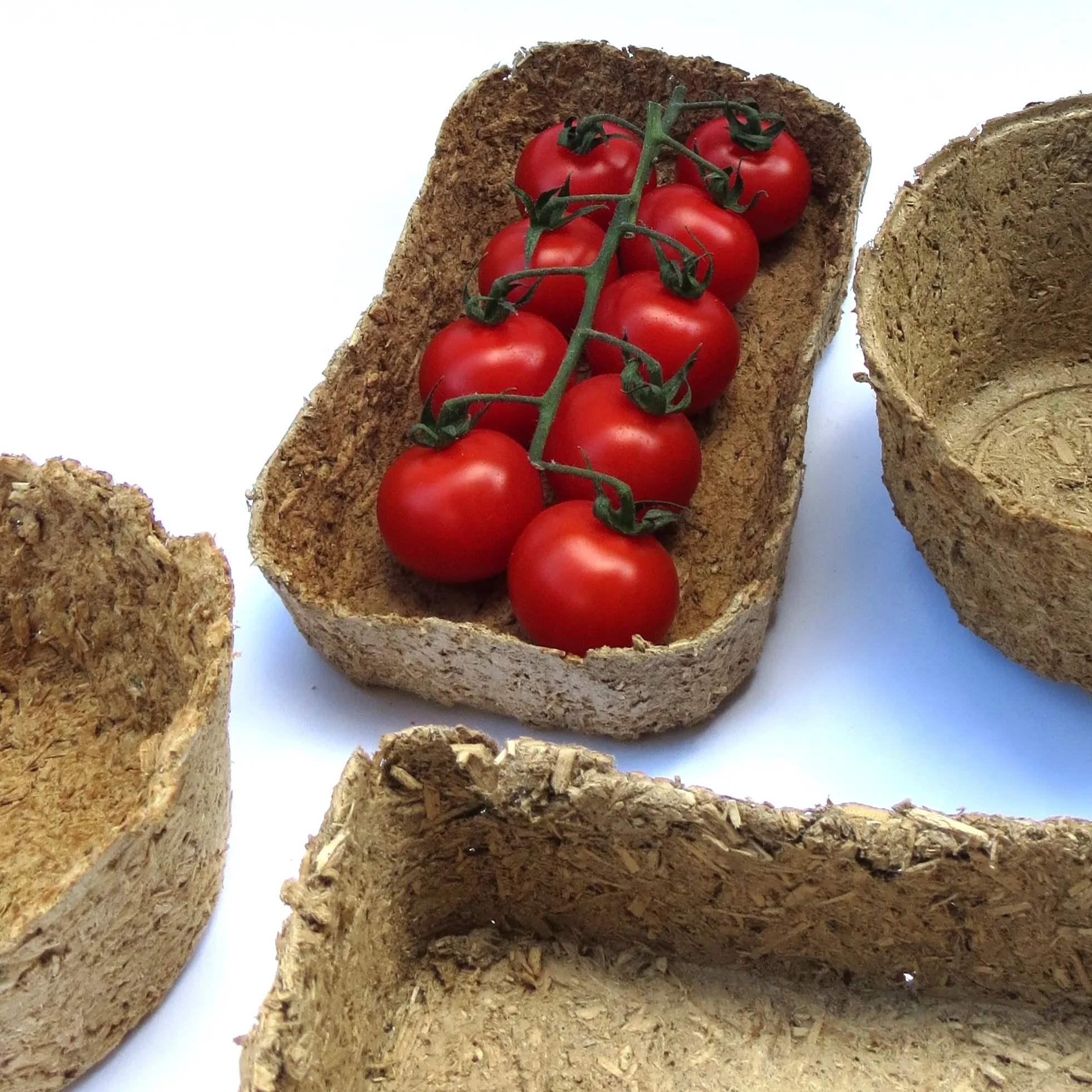
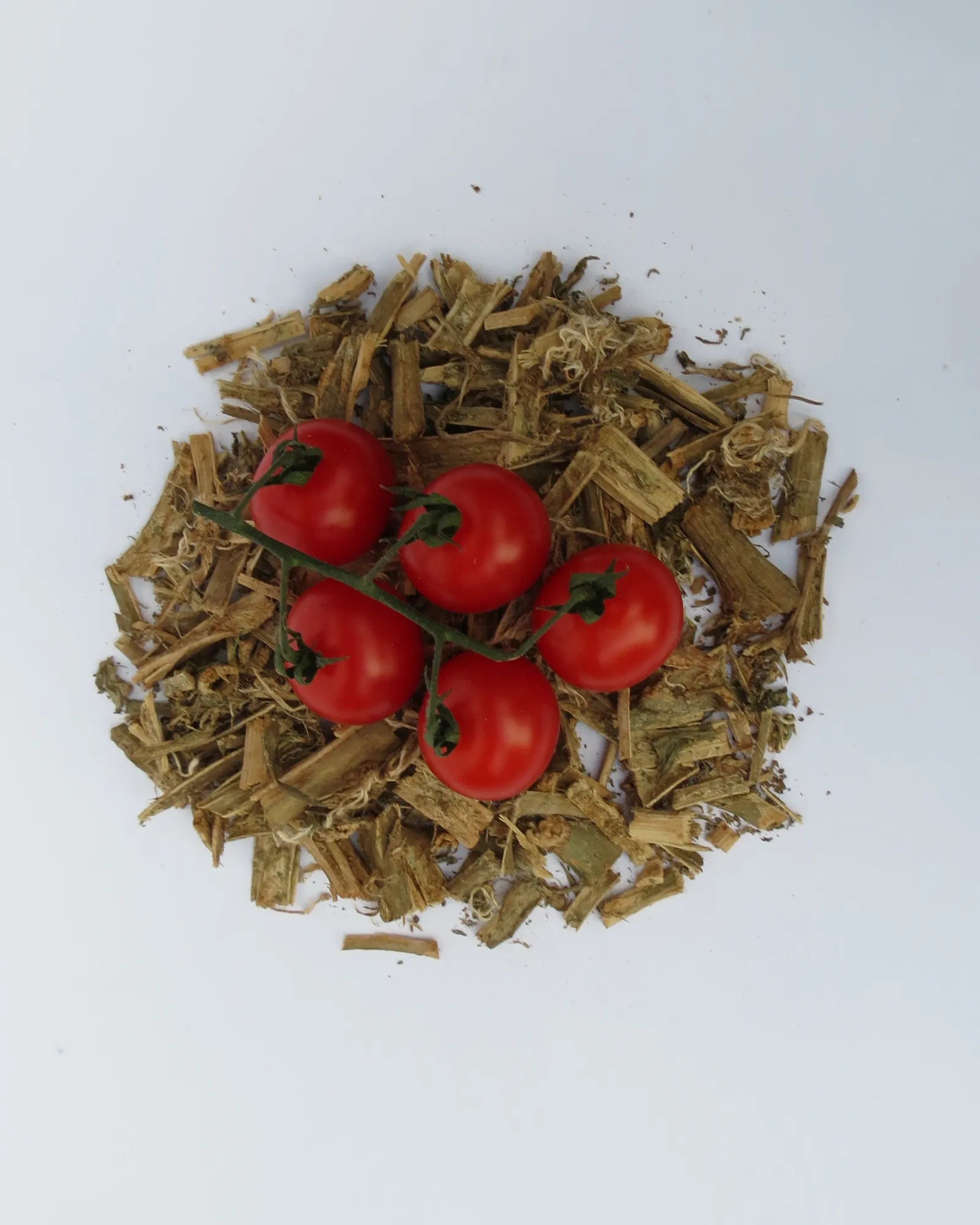
At the end of each season, tomato growers clear out their greenhouses to prepare for the next crop. This leaves behind tomato stems averaging 10 metres in length, a secondary raw material that growers typically discard.
The Food and Agriculture Organization of the United Nations reports that one-third of all food produced globally is wasted, accounting for 8% of total CO2 emissions, and nearly half of this waste is fruit and vegetables. Packaging is a major problem too, as most produce is wrapped in plastic.
10 m
average length of the tomato stems left behind when growers clear their greenhouses
1/3
of all food produced globally is wasted, according to the FAO
8%
of total CO2 emissions come from that wasted food
Result
Packaging that grows new tomatoes.
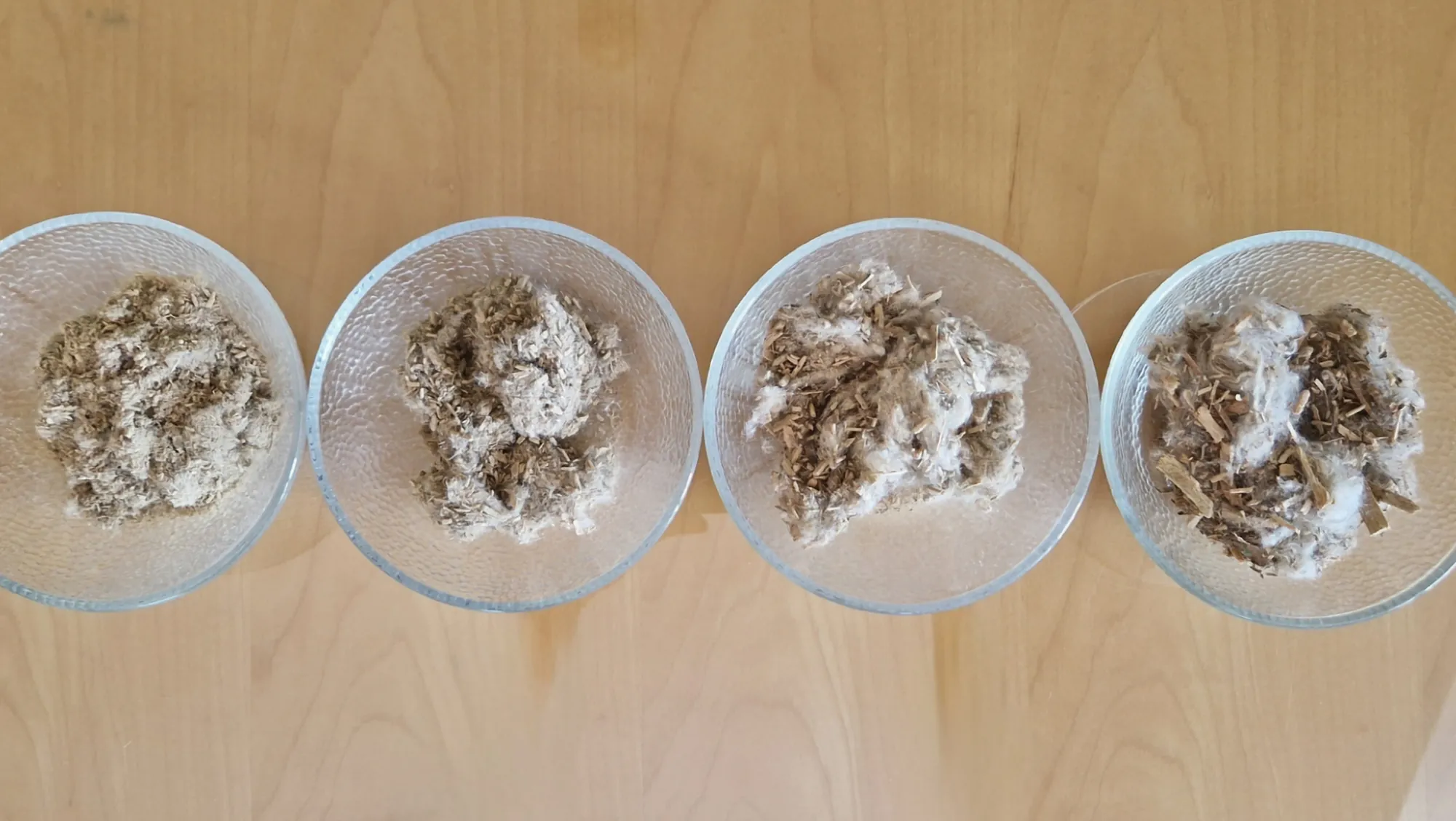
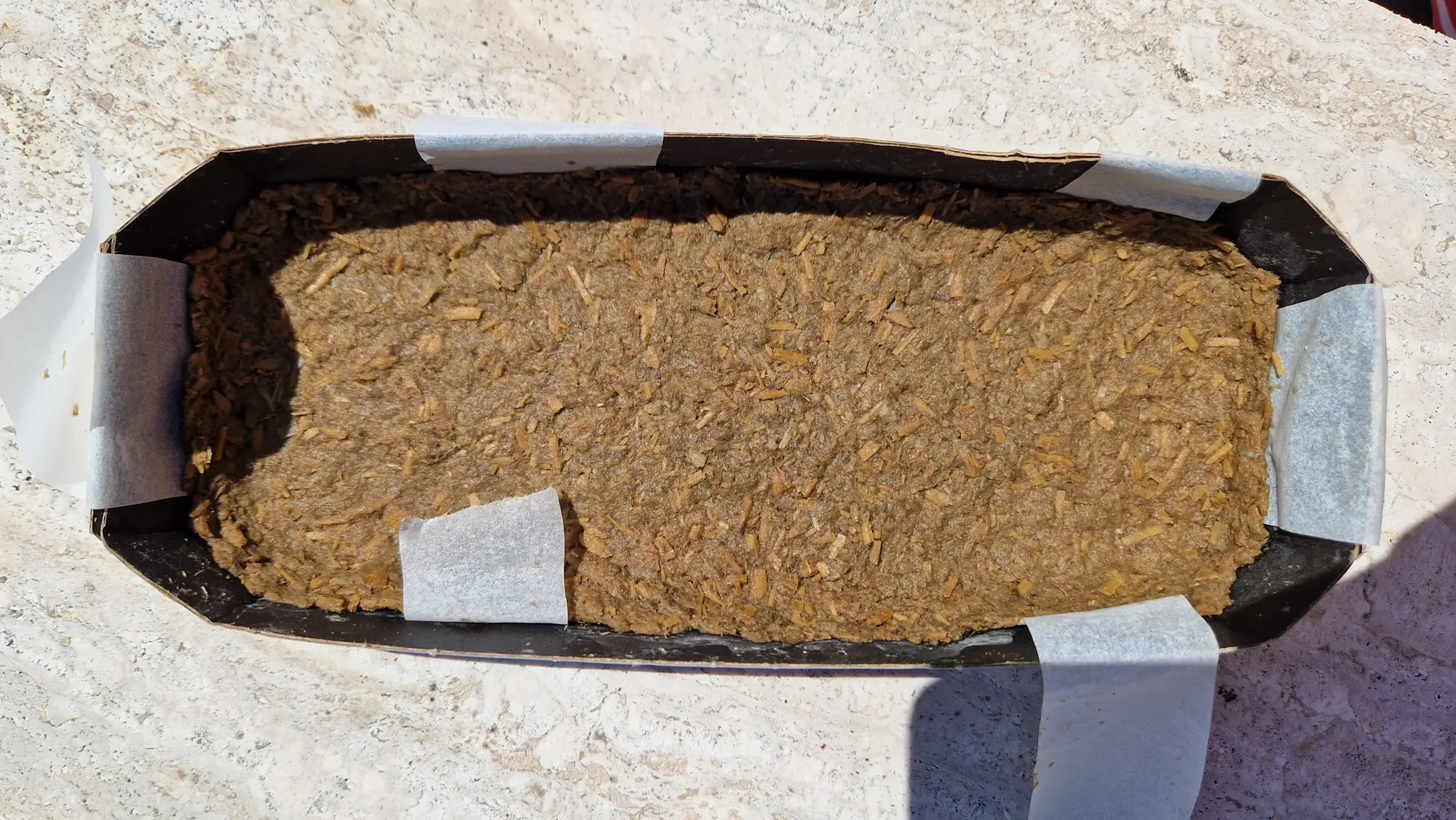
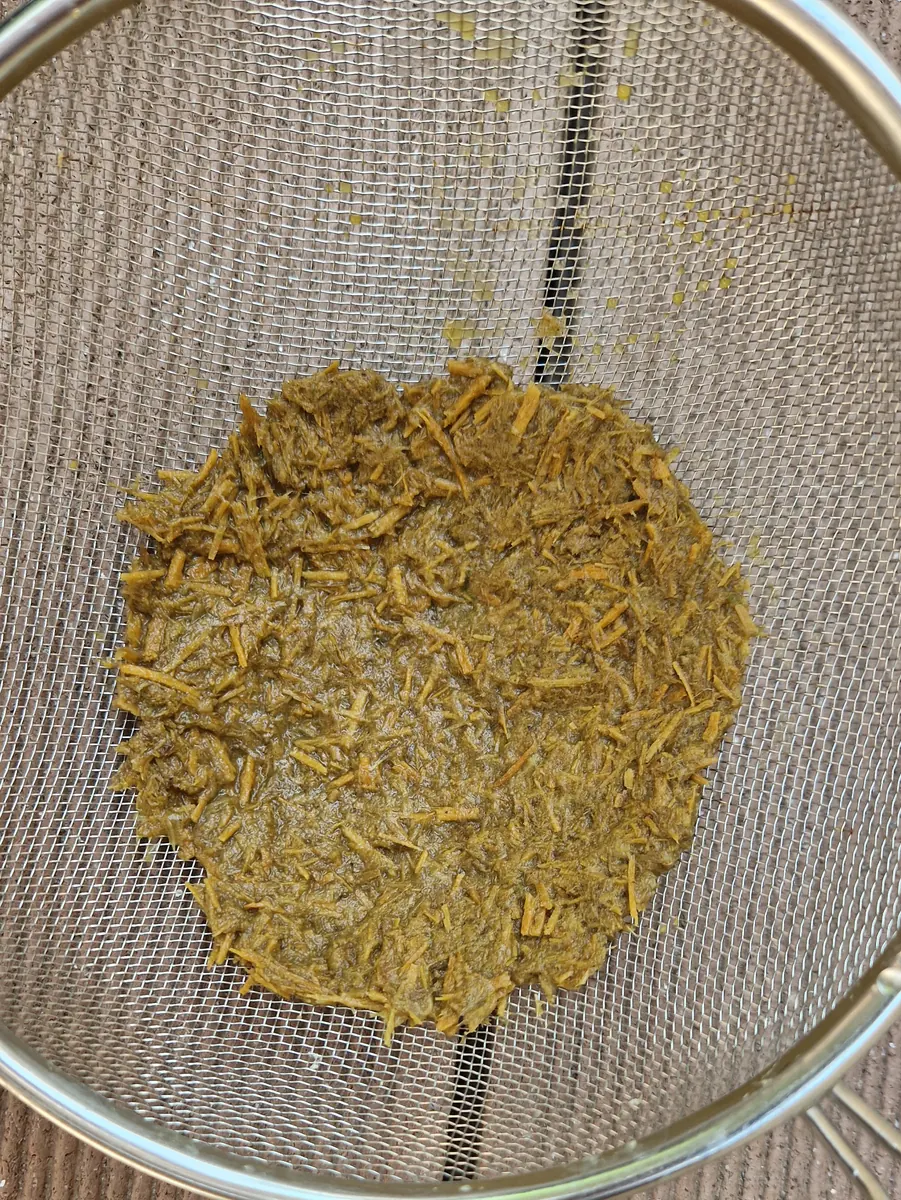
Dajz offers a regenerative solution. The packaging is made exclusively from tomato stems. It is compostable and contains tomato seeds, so after use it can be mixed with soil and placed in a pot, where tomato plants will sprout.
The seed-embedded packaging is designed as a seasonal product, available specifically during the tomato-sowing season. The seeds add value to the packaging, which justifies a higher price than existing plastic alternatives.